Algebra
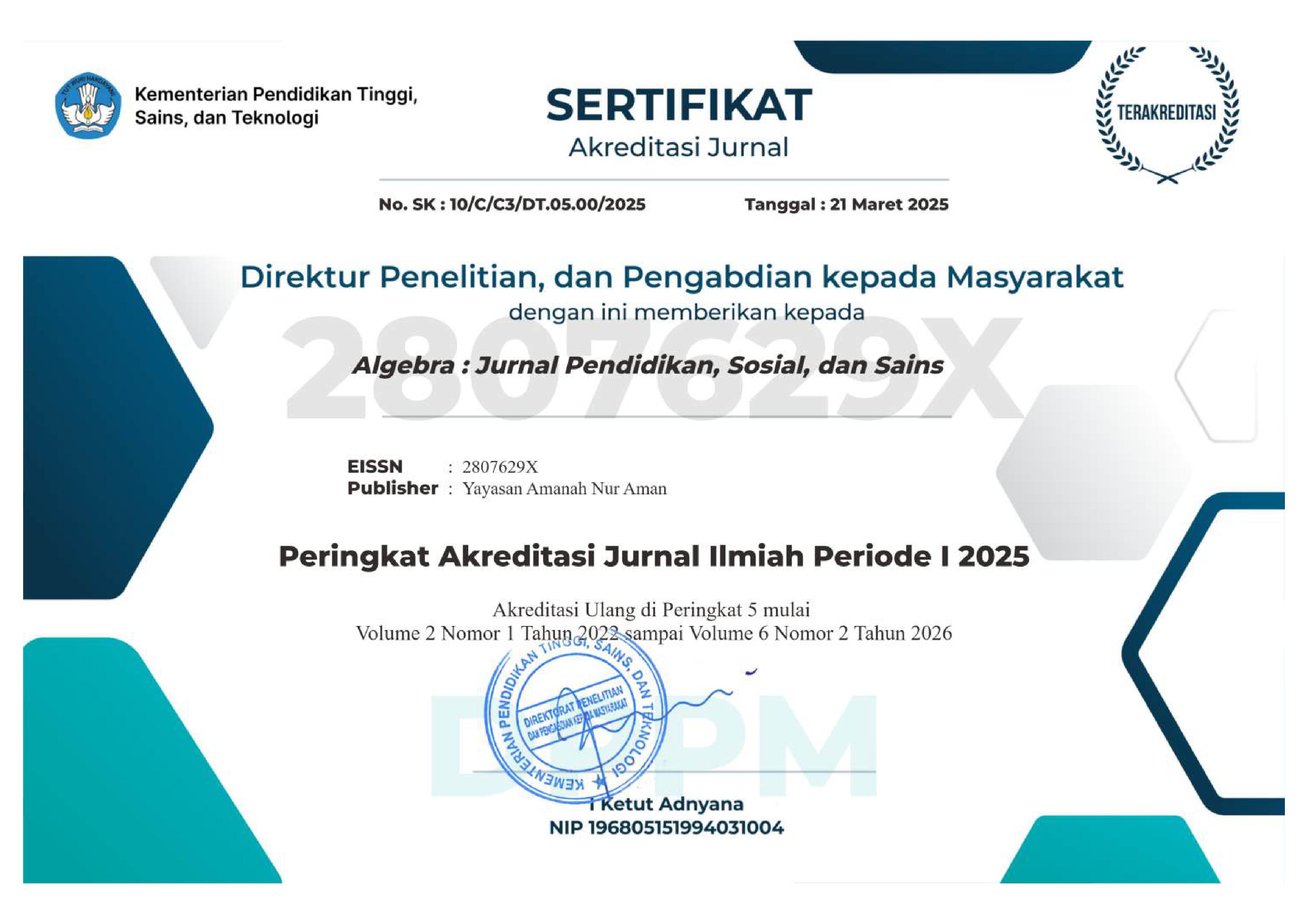
Journal Accreditation

Algebra: Jurnal Pendidikan, Sosial dan Sains permits responsible AI assistance with transparent disclosure and human oversight.
AI cannot be an author. Authors remain responsible for accuracy, originality, references, ethical compliance, and conclusions.
Disclose substantive AI contributions to writing, coding, analysis, data, or illustrations. Identify the tool, purpose, contribution, and verification. Routine spelling and grammar correction normally needs no separate declaration.
Describe research-related AI models, versions, inputs, settings, validation, and limitations sufficiently for assessment. Verify claims against original sources.
Fabricated evidence, misleading images, plagiarism, and unauthorised disclosure of confidential information are prohibited.
Do not upload confidential manuscripts to external generative AI for substantive assessment. Review judgments and editorial decisions remain human responsibilities.
Editors may request explanations and supporting records. Responses may include revised disclosures, further verification, rejection, or post-publication action under applicable policies.